
The Gut-Behavior Connection: What Your Horse's Diet Is Telling You By Divine Harmony Pet Communication and Healing
The Gut-Behavior Connection: What Your Horse's Diet Is Telling You
By Divine Harmony Pet Communication and Healing
Have you ever noticed your horse acting out of character — spooky, irritable, resistant, lethargic or just "not themselves" — and wondered what's going on? Before reaching for a training solution, it's worth asking a question that often gets overlooked: what is your horse eating, and how is it making them feel?
The connection between a horse's gut and their behavior is profound, well-documented, and still underestimated by many owners. As someone who works with horses through communication, bodywork, and holistic healing, I see this pattern repeatedly: a horse labeled "difficult" or "unpredictable" who transforms once their digestive health is addressed. The body and mind are not separate — especially in horses.
The Gut Is the Second Brain
Horses are hindgut fermenters, meaning a large portion of their digestion happens in the cecum and large intestine. This system is incredibly sensitive to disruption. When the gut is inflamed, imbalanced, or in pain, the nervous system responds — and that response shows up in behavior.
Research in both equine and human medicine has confirmed the gut-brain axis: a direct communication highway between the digestive system and the brain. In horses, gut discomfort can present as:
Pinned ears
irritability when girthing or being touched on the flanks
Reluctance to move forward under saddle
Sudden spookiness or heightened anxiety
Aggression at feeding time
Difficulty focusing or connecting during training
Many of these behaviors are misread as attitude problems or training gaps. But when a horse is hurting on the inside, they're doing the only thing they can — telling you in the only language they have.
Common Dietary Culprits
So what in the diet might be contributing to these issues? Here are some of the most frequent offenders I encounter: Too much sugar and starch. Many commercial feeds and lush pasture grasses are high in non-structural carbohydrates (NSC). For sensitive horses, this can trigger hindgut upset, inflammation, and the kind of fizzy, reactive energy that looks like a training problem. Inconsistent feeding schedules. Horses are designed to trickle-feed for up to 18 hours a day. Long gaps between meals allow stomach acid to pool, increasing the risk of ulcers — one of the most common and underdiagnosed causes of behavioral changes in horses. Mineral imbalances. Magnesium deficiency, in particular, is linked to nervousness, muscle tension, and difficulty relaxing. A horse who can't seem to settle may simply be running low on nutrients that support their nervous system. Low-quality forage. Hay that's dusty, moldy, or nutritionally poor puts strain on the digestive system and leaves horses physically unsatisfied — a recipe for anxiety and stable vices.
The Five Chinese Elements and Your Horse's Feeding Needs
Traditional Chinese Medicine offers another powerful lens for understanding why the same diet can work beautifully for one horse and wreak havoc for another. In Chinese elemental theory, every horse has a constitutional type — Wood, Fire, Earth, Metal, or Water — and each type has distinct nutritional needs, digestive strengths, and vulnerabilities.
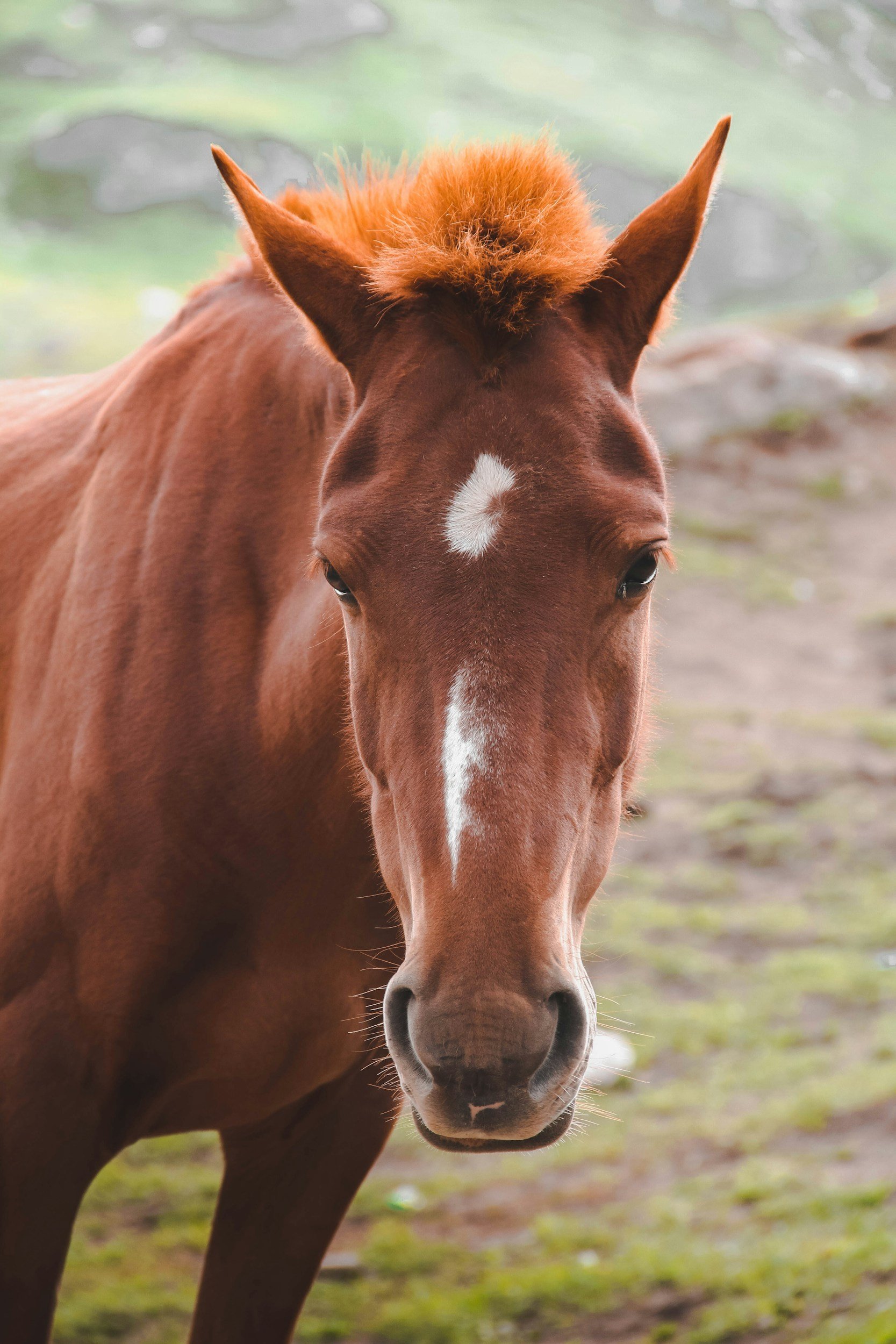
The Fire Horse deserves special attention — particularly in summer. They are often Red in Color! They are great show horses. Fire Horses are Governed by the heart and small intestine, Fire Horses are passionate, expressive, and highly energetic, but they overheat easily. When temperatures rise, a Fire Horse may become increasingly anxious, reactive, or erratic in ways that look purely behavioral. What's really happening is that their internal fire is being fanned beyond what they can manage. Cooling foods make a significant difference for this type: organic cucumber instead of carrots as a treat, fresh herbs like mint, and electrolytes to support hydration. I always recommend to provide a salt mineral block. Most importantly…
Avoid high-energy grains and feeds that generate internal heat. This includes alfalfa — while alfalfa is a wonderful, warming feed that provides excellent protein and energy in cold weather and winter months, it is thermally hot and high in carbohydrates and sugar, making it a poor choice for Fire Horses during warm and hot weather. Switching to a cooler grass hay in summer can noticeably reduce heat-related behavioral flare-ups. During summer months, also adjust feeding times to the cooler parts of the day, ensure constant access to fresh water(filtered is ideal), and watch for early signs of overheating such as excessive sweating, restlessness, and difficulty settling after work. Keep a daily eye on water especially automatic ones that often break! I recommend 2 sources of water they have access to in case one goes out.
If you can let them graze this is the most beneficial and natural! Otherwise, I like to let them have access all day to a hay feeder that is make from nylon like a halter, the rope ones can get eaten and cause a blockage! Why do we put feeders up high? Watch Horses in nature, they eat off the ground! I’ve seen more Horses Colic and that is often fatal because of eating off the ground and getting sand stuck in their guts.
My favorite feeders are high feeders that they have to put their head into and if the food drops it drops back into the feeder. This is worth the cost…a lot cheaper than an emergency vet bill and a lot less suffering on your Horse. Be sure if you feed that is doesn’t drop onto dirt/sand or feces! At the least have a clean rubber mat.
The Wood Horse is driven and athletic, but prone to liver imbalances and muscle tension. They do best with clean, simple diets and benefit from bitter greens and dandelion, which support liver function. Excess rich feed can make them hot-headed and reactive. We pull dandelions and if you watch Horses and Deer…who are intuitively smart…they eat the dandelions in the Spring which detoxes and supports the liver.
The Earth Horse is the steady, easygoing type — but their digestive system is their weak point. They tend toward weight gain, sluggishness, and digestive upset when overfed sweet feeds or allowed to graze too freely on rich pasture. Smaller, consistent meals with good-quality fiber are their foundation. Oat bran is a great choice for fiber.
The Metal Horse is refined, sensitive, and somewhat reserved. Their lungs and large intestine govern their constitution, making them prone to respiratory issues and constipation. High-dust hay, mold, or abrupt dietary changes affect them more than other types. They thrive on routine and clean, dry forage.
The Water Horse is deeply intuitive and sometimes fearful, governed by the kidneys and adrenal system. They often need warming foods, especially in cold seasons, and can be depleted by stress or overwork. Seaweed-based minerals and warming herbs like ginger can be supportive for this type. Unlike the Fire Horse, the Water Horse actually benefits from alfalfa in colder months to help sustain warmth and energy through winter.
Knowing your horse's elemental type doesn't replace veterinary care or good nutritional practice — but it adds a layer of personalized insight that can make a real difference, especially for horses whose needs don't seem to fit a standard feeding program.
One of the things I love doing in my sessions is helping owners identify their animal's Chinese Element type — not just for horses, but for dogs and cats too. Every pet has a constitutional nature, and once you understand it, so many puzzling behaviors and health patterns suddenly make sense. If you've ever felt like your animal is a mystery, this is often the missing piece. I can work with you to identify your horse's, dog's, or cat's element type and give you practical guidance on feeding, environment, training, and care that truly fits who they are.
What You Can Do Right Now
You don't need to overhaul everything overnight. Start by observing and asking questions. Keep a simple journal tracking what your horse eats and when behavioral patterns appear. Notice whether difficult moments cluster around feeding times, or whether symptoms ease on rest days with more turnout and free-choice hay. Work with a Holistic Equine Nutritionist or a Holistic Equine Vet to assess your horse's current diet and consider testing for ulcers if you suspect they may be a factor.
Small shifts — slowly adding a quality probiotic, soaking hay to reduce sugar content(be sure it doesn’t mold), or introducing a magnesium supplement and a Salt Block — can sometimes create noticeable changes within days or weeks. And don't underestimate the value of listening to your horse directly.
Through animal communication, I can often identify where a horse feels discomfort in their body, what foods or feeding situations feel stressful to them, and what changes they sense would help. Paired with nutritional and veterinary support, this holistic approach addresses the whole horse — body, mind, and spirit. I have animals tell me straight out what they want to eat! I once had a Dog send me a picture of a roasted chicken, and the owner said she had been giving it to him when her parents were visiting and had stopped!! Chicken was recommended for his Chinese Element!
Your Horse(and Dogs and Cats) are Talking! Are You Ready to Listen? I can help interpret!
If your horse has been showing behavioral signs that haven't responded to training, or if you simply feel like something is "off" and you can't put your finger on it, or you’ve tried what feels like everything and are frustrated, I'd love to help. At Divine Harmony Pet Communication and Healing, I work with owners of horses, dogs, and cats to get to the root of what their animals are experiencing — through intuitive communication, bodywork, sound healing, massage, accupressure, PEMF therapy, nutritional guidance, and trauma release through Emotion Code, WEBB Touch and a variety of energetic techniques. That includes helping you discover your animal's Chinese Element type so you can feed them, care for them, and connect with them in a way that truly honors who they are. Together, we can help your animal feel better from the inside out. When they feel better, You feel better and all is harmonious! Don’t we all just want to be heard, understood and supported? Heck Yeah!
Ready to find out what element your horse, dog, or cat is — and what they need to thrive? Book a session today and let's start the conversation.
Divine Harmony Pet Communication and Healing offers holistic services for horses and all animals(domestic and farm), including animal communication, PEMF therapy, bodywork, stress reduction, and nutritional support.
